Archives
- 2026-07
- 2026-06
- 2026-05
- 2026-04
- 2026-03
- 2026-02
- 2026-01
- 2025-12
- 2025-11
- 2025-10
- 2025-09
- 2025-03
- 2025-02
- 2025-01
- 2024-12
- 2024-11
- 2024-10
- 2024-09
- 2024-08
- 2024-07
- 2024-06
- 2024-05
- 2024-04
- 2024-03
- 2024-02
- 2024-01
- 2023-12
- 2023-11
- 2023-10
- 2023-09
- 2023-08
- 2023-07
- 2023-06
- 2023-05
- 2023-04
- 2023-03
- 2023-02
- 2023-01
- 2022-12
- 2022-11
- 2022-10
- 2022-09
- 2022-08
- 2022-07
- 2022-06
- 2022-05
- 2022-04
- 2022-03
- 2022-02
- 2022-01
- 2021-12
- 2021-11
- 2021-10
- 2021-09
- 2021-08
- 2021-07
- 2021-06
- 2021-05
- 2021-04
- 2021-03
- 2021-02
- 2021-01
- 2020-12
- 2020-11
- 2020-10
- 2020-09
- 2020-08
- 2020-07
- 2020-06
- 2020-05
- 2020-04
- 2020-03
- 2020-02
- 2020-01
- 2019-12
- 2019-11
- 2019-10
- 2019-09
- 2019-08
- 2019-07
- 2018-07
-
Expression of Twist and the AR
2024-11-01
Expression of Twist1 and the AR are increased by oxidative stress, but the change in the receptor (mRNA/protein) is lost after treatment with siRNAs that target Twist 1 (Shiota et al., 2010). Twist 1 was found to bind to E-boxes, 5′-CANNTG-3′, in the proximal promoter (−442 to +51 bp) and upstream
-
Immunohistochemistry in tissue samples showed the expression
2024-11-01
Immunohistochemistry in tissue samples showed the expression of several nuclear receptor co-activators, including NCOA1, NCOA2, NCOA3, CREBBP, and EP300, in 85–100% of DPNI-caged-GABA tumors even some of which lacked AR expression (Boorjian et al., 2009). Knockdown of each co-activator also resulte
-
Our conclusion was confirmed by two experiments The
2024-10-31
Our conclusion was confirmed by two experiments. The addition of aminopeptidase-specific inhibitors at high concentrations allowed us to exclude the possibility of substrate hydrolysis by other proteases present in the samples, for example, endoproteases. After the application of inhibitors, we were
-
Epidermal growth factor EGF has been
2024-10-31
Epidermal growth factor (EGF) has been shown to increase the 12S-lipoxygenase mRNA level by about two-fold in human epidermoid carcinoma A431 cells [71]. This enzyme was shown to be of the platelet-type and associated with the microsomal fraction of the cells [71], [72]. A requirement for EGF recept
-
The extent to which GPCR oligomerization
2024-10-31
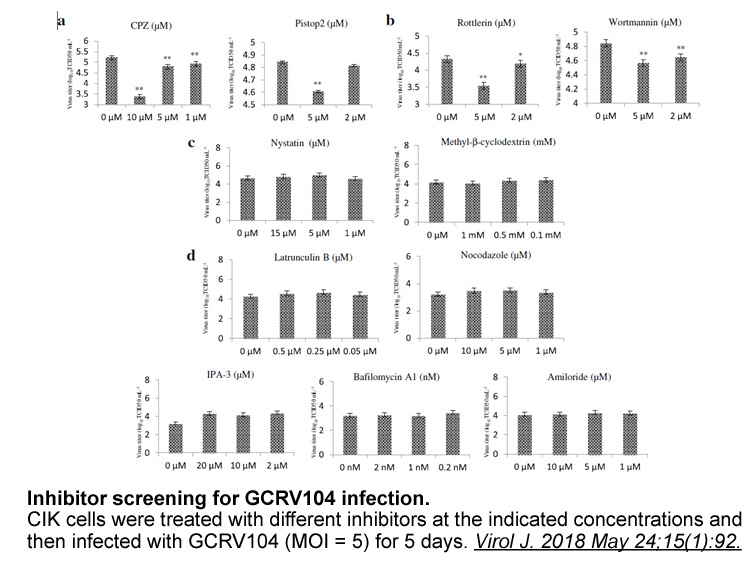
The extent to which GPCR oligomerization is a regulated process still remains unclear. Reported effects of ligands on both GPCR homo- and heteromers are highly variable and depend on GPCR subtypes and the specific ligand used. According to our data, chronic treatment of mice with both paroxetine or
-
Firms are subject to corporate taxation and face either
2024-10-31
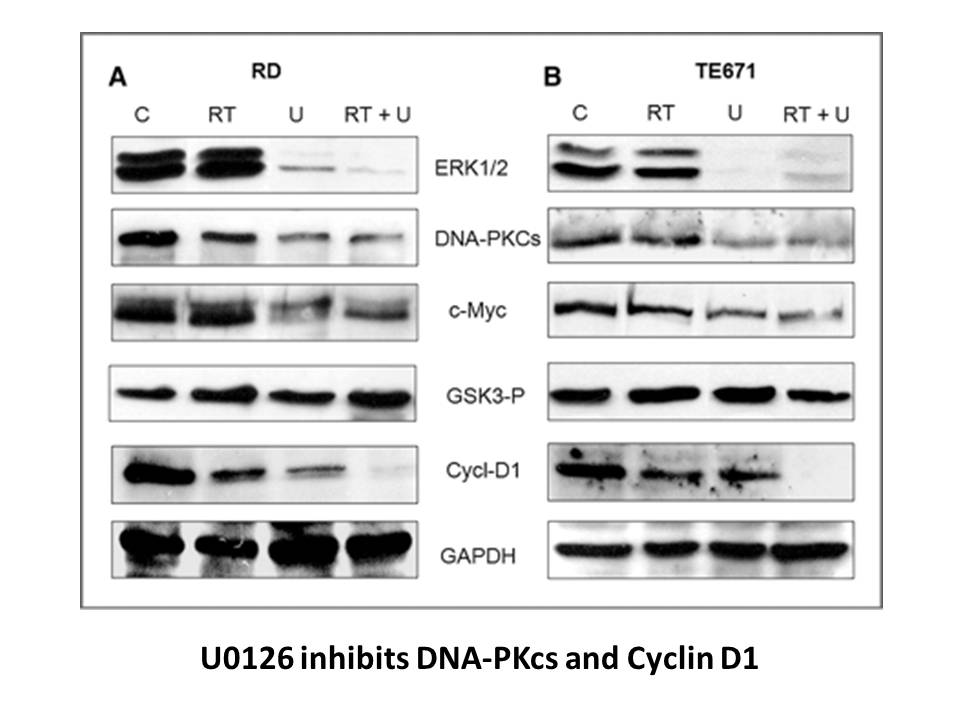
Firms are subject to corporate taxation, and face either an ACE or a CBIT tax scheme. The two tax regimes achieve financing neutrality by treating debt and equity equally, but differ according to whether deduction of capital costs from the corporate tax 2-APB is allowed or not. While ACE allows for
-
These results from the present study
2024-10-31
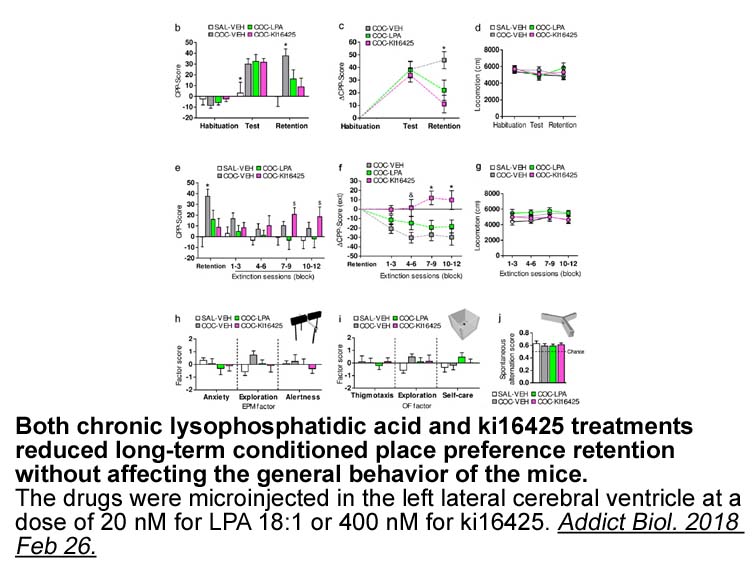
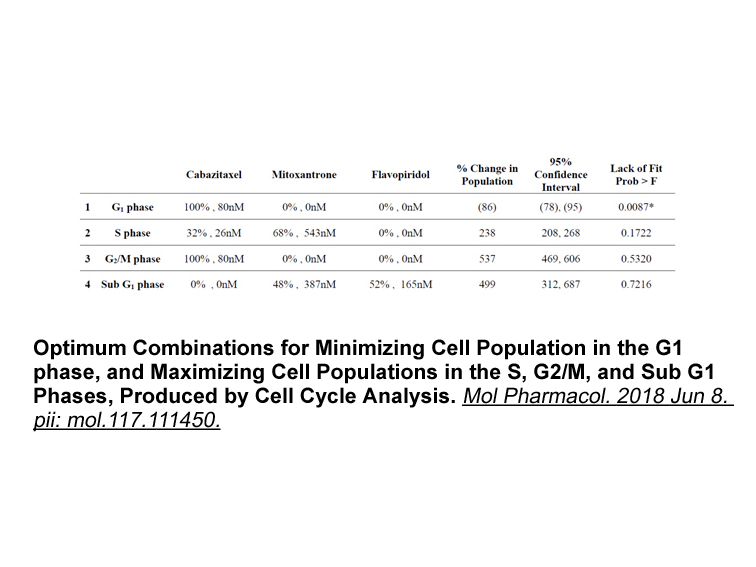
These results from the present study are summarized in Table 1. Eight drugs (doxorubicin, epirubicin, daunorubicin, idarubicin, irinotecan, imatinib, sunitinib and gefitinib) inhibited 5-HT-induced 5-HT3A and 5-HT3AB currents; three (irinotecan, topotecan and mitoxantrone) showed different responses
-
The earliest appearance of tumors occurred at
2024-10-31
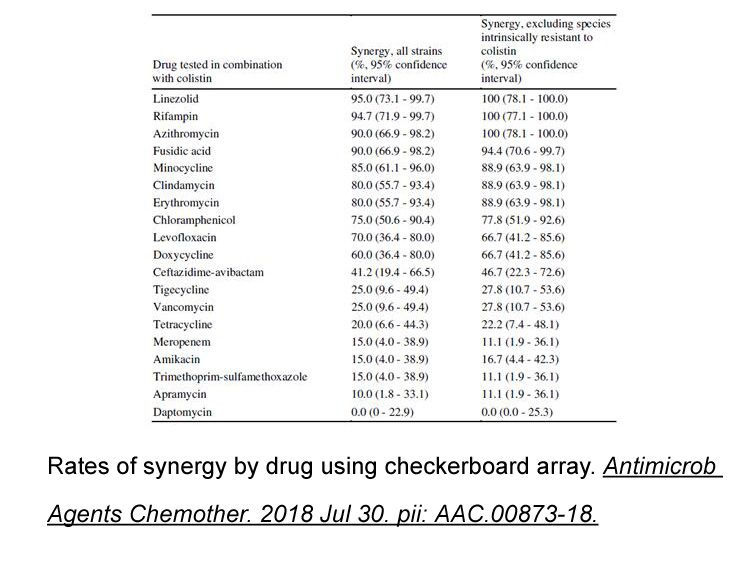
The earliest appearance of tumors occurred at 12 months and the latest at 24 months, with an average onset at 18 months (Fig. 1B). This would be roughly equivalent to cancer presenting in a patient between 60 and 70 years of age. In transgenic animals, autotaxin Exendin-3 (9-39) amide was relatively
-
br The complementary role of chaperone mediated autophagy Ch
2024-10-31
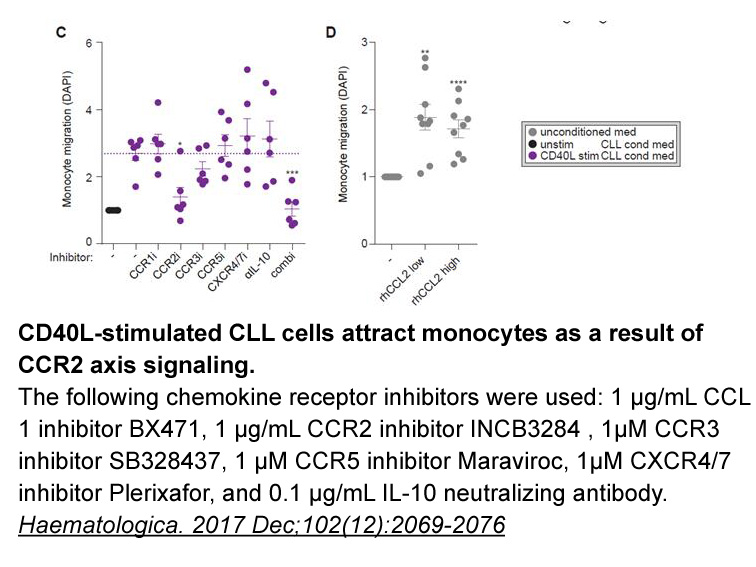
The complementary role of chaperone mediated autophagy Chaperone-mediated autophagy (CMA) mediates the degradation of specific cellular proteins and participates in the regulation of lipid metabolism, DNA repair, or the response to stress (Kaushik and Cuervo, 2018). CMA provides an alternative pa
-
Aurora A overexpression is also related
2024-10-31
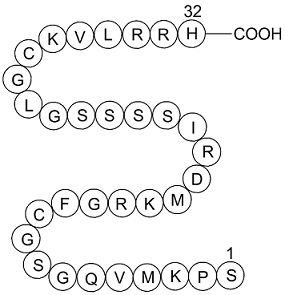
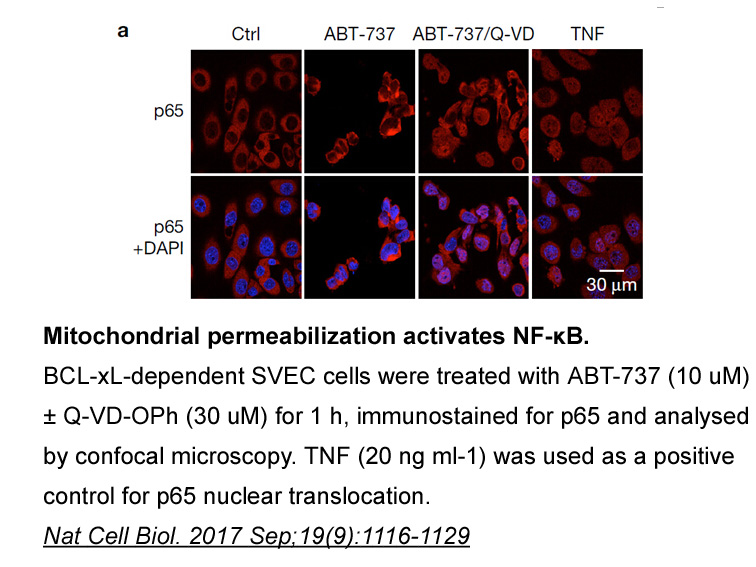
Aurora-A overexpression is also related to the activation of NF-κB, a potent anti-apoptotic effector that may play a role in preventing apoptosis in cancer 15-deoxy-Δ-12,14-Prostaglandin J2 mg [18]. These data show that we are still at the beginning of unraveling the complex mechanism by which the
-
With regard to the first question subcellular fractionation
2024-10-31
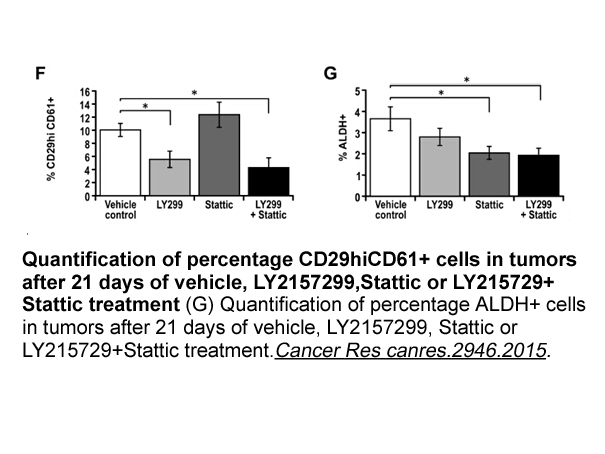
With regard to the first question, subcellular fractionation studies revealed that BDK and PPM1K are clearly detectable in both the mitochondrial and cytosolic subcellular fractions, thus making it possible for these enzymes to interact with both the BCKDH and ACL substrates. The preferential presen
-
Introduction Apoptosis signal regulating kinase ASK a family
2024-10-30
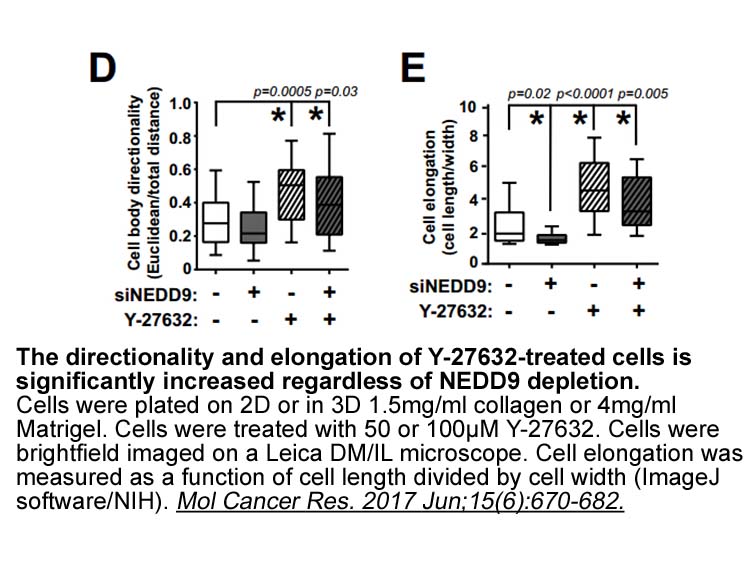
Introduction Apoptosis signal-regulating kinase 1 (ASK1), a family member of the mitogen-activated protein (MAP) kinase kinase kinase (MAP3K) family, selectively activates the JNK and p38 MAP kinase pathways in response to various types of stresses, including oxidative stress, and subsequently indu
-
br Apelin The APJ receptor ligand apelin
2024-10-30

Apelin The APJ receptor ligand apelin firstly in 1998 was segregated from bovine stomach tissue. Human preproapelin gene located on chromosome Xq25–26.1. The apelin preproproteins consist of 77 amino 1145 residues that are cleaved into biologically active C-terminal fragments of various sizes. Th
-
arginase inhibitor Therefore in the present study
2024-10-30
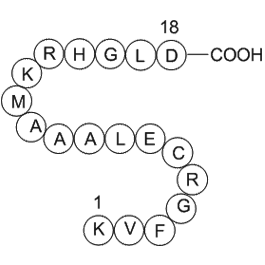
Therefore, in the present study, we first examined the ATRAP arginase inhibitor in human leukocytes of healthy subjects. We next analyzed possible relevant clinical factors affecting ATRAP expression in leukocytes of patients with NCDs. Furthermore, we examined the possible effect of ATRAP downregu
-
AMP activated protein kinase AMPK is composed of
2024-10-30
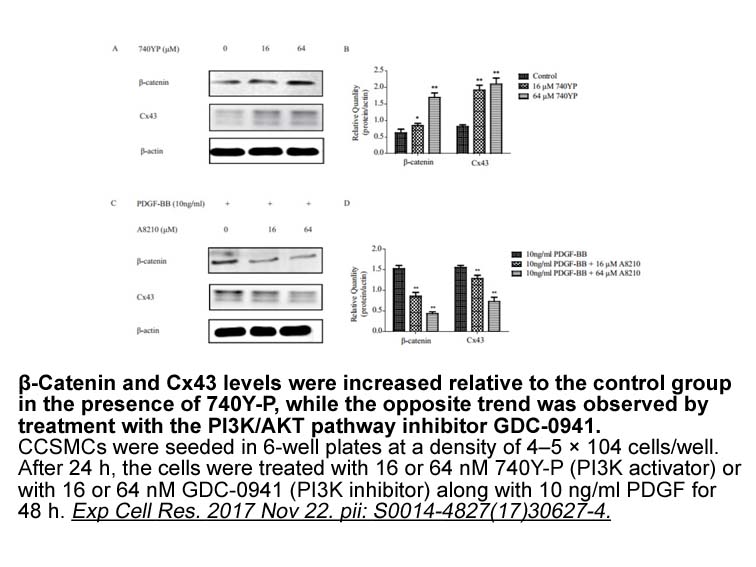
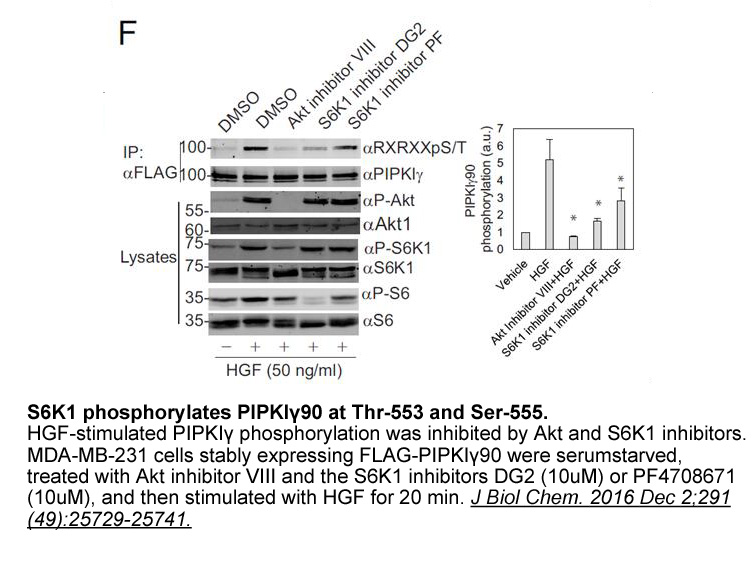
AMP-activated protein kinase (AMPK) is composed of α-, β-, and γ-subunits [17,18]. Phosphorylation of α-subunit at Thr-172 residue is essential for AMPK activation [17,18]. The serine/threonine kinase coordinates metabolic pathways in response to energy supply and demand [17,18]. Studies have shown
15597 records 89/1040 page Previous Next First page 上5页 8687888990 下5页 Last page