Archives
- 2026-07
- 2026-06
- 2026-05
- 2026-04
- 2026-03
- 2026-02
- 2026-01
- 2025-12
- 2025-11
- 2025-10
- 2025-09
- 2025-03
- 2025-02
- 2025-01
- 2024-12
- 2024-11
- 2024-10
- 2024-09
- 2024-08
- 2024-07
- 2024-06
- 2024-05
- 2024-04
- 2024-03
- 2024-02
- 2024-01
- 2023-12
- 2023-11
- 2023-10
- 2023-09
- 2023-08
- 2023-07
- 2023-06
- 2023-05
- 2023-04
- 2023-03
- 2023-02
- 2023-01
- 2022-12
- 2022-11
- 2022-10
- 2022-09
- 2022-08
- 2022-07
- 2022-06
- 2022-05
- 2022-04
- 2022-03
- 2022-02
- 2022-01
- 2021-12
- 2021-11
- 2021-10
- 2021-09
- 2021-08
- 2021-07
- 2021-06
- 2021-05
- 2021-04
- 2021-03
- 2021-02
- 2021-01
- 2020-12
- 2020-11
- 2020-10
- 2020-09
- 2020-08
- 2020-07
- 2020-06
- 2020-05
- 2020-04
- 2020-03
- 2020-02
- 2020-01
- 2019-12
- 2019-11
- 2019-10
- 2019-09
- 2019-08
- 2019-07
- 2018-07
-
br Conclusion br Conflict of Interest br Author Contribution
2023-10-18
Conclusion Conflict of Interest Author Contributions Acknowledgements This work was supported by a research grant (SR/50/AS-14/2012) from the Department of Science and Technology, New Delhi, India to CMC and CSIR Senior Research Fellowship (09/013(0339)/2010-EMR-I) to SB. Introduction
-
Vortioxetine is a multimodal antidepressant that acts as an
2023-10-18
Vortioxetine is a multimodal antidepressant that acts as an inhibitor at the serotonin (5-HT) transporter (SERT), an agonist at 5-HT1A receptors, a partial agonist at 5-HT1B receptors, and an antagonist at 5-HT1D, 5-HT3 and 5-HT7 receptors (Bang-Andersen et al., 2011, Sanchez et al., 2015). Based on
-
For some fishstocks landed by FMA ACE fishers the designated
2023-10-18
For some fishstocks landed by FMA3 ACE fishers, the designated Quota Management Area (QMA) extends beyond the geographic demarcations of FMA3.Fig. 1 shows the ten FMAs, highlighting the study area FMA3. Gurnard 3 QMA is included as an example of a QMA that H-Lys(Z)-OH receptor extends across more t
-
A review has recently been published to evaluate the
2023-10-18
A review has recently been published to evaluate the potential effects of food, alcohol and hippo signaling pathway juices on the pharmacokinetics and pharmacodynamics of the drugs for BPH. The authors reviewed the PubMed database during the years 1991–2015. In addition, a digital version of Stockl
-
The role of DHT in early teleost embryogenesis is
2023-10-18
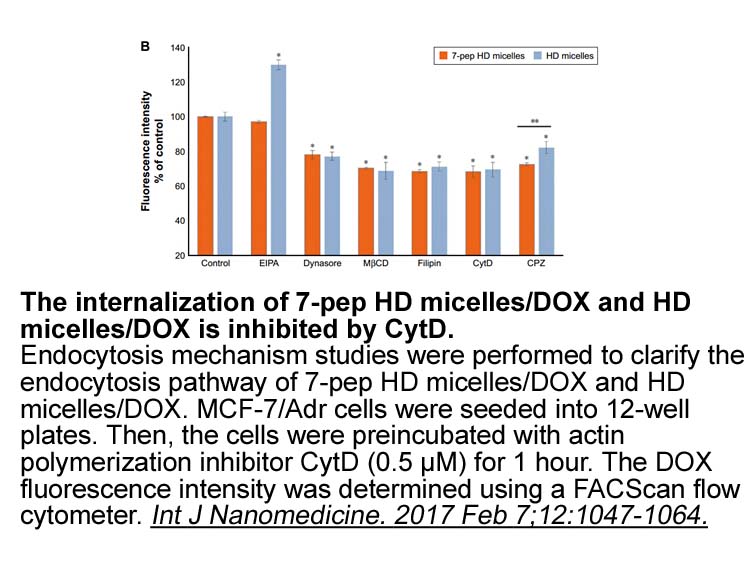
The role of DHT in early teleost embryogenesis is not entirely clear or established, however additional studies that treat fish embryos to DHT or to specific srd5a inhibitors at critical stages of development (i.e. prior to sex differentiation) will shed light on the early functions of this androgen
-
Finasteride was the first steroidal reductase inhibitor appr
2023-10-18
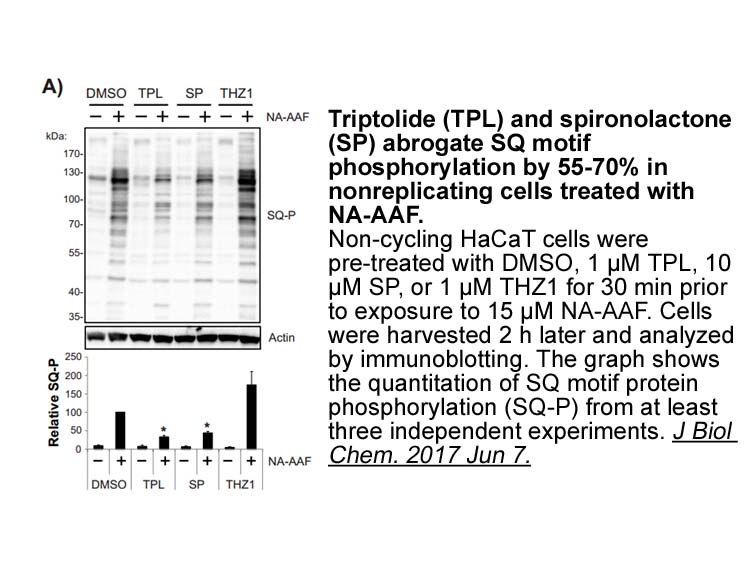
Finasteride (13) was the first steroidal 5α-reductase inhibitor approved by the US Food and Drug Administration (FDA) in 1992 for treatment of BPH. In fact, long term clinical studies with this drug demonstrated a sustained reduction of the prostatic specific antigen and an overall improvement in BH
-
By performing knockdown of AXL once HER
2023-10-18
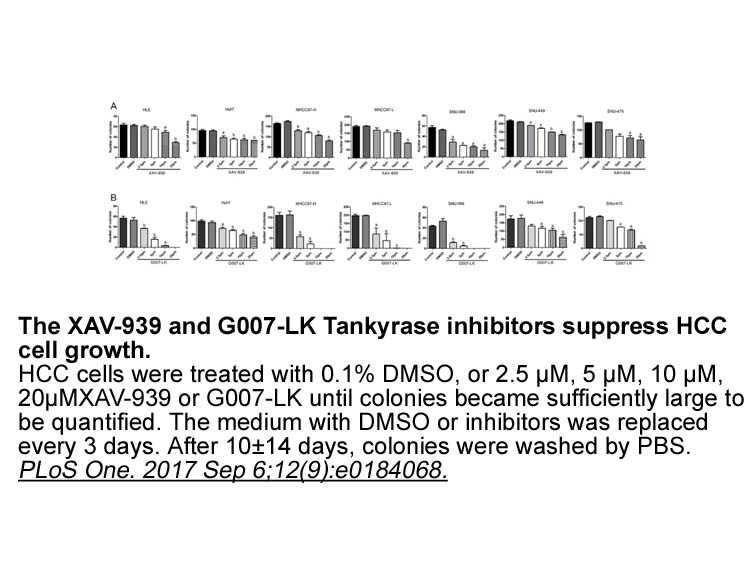
By performing knockdown of AXL once HER2+ cancer CGP 55845 hydrochloride have achieved lung colonization, we demonstrated that AXL contributes to the establishment of macrometastases. While inhibition of AXL impairs the efficiency of metastasis, the later finding has major clinical implications sin
-
br Introduction Stroke is a
2023-10-18
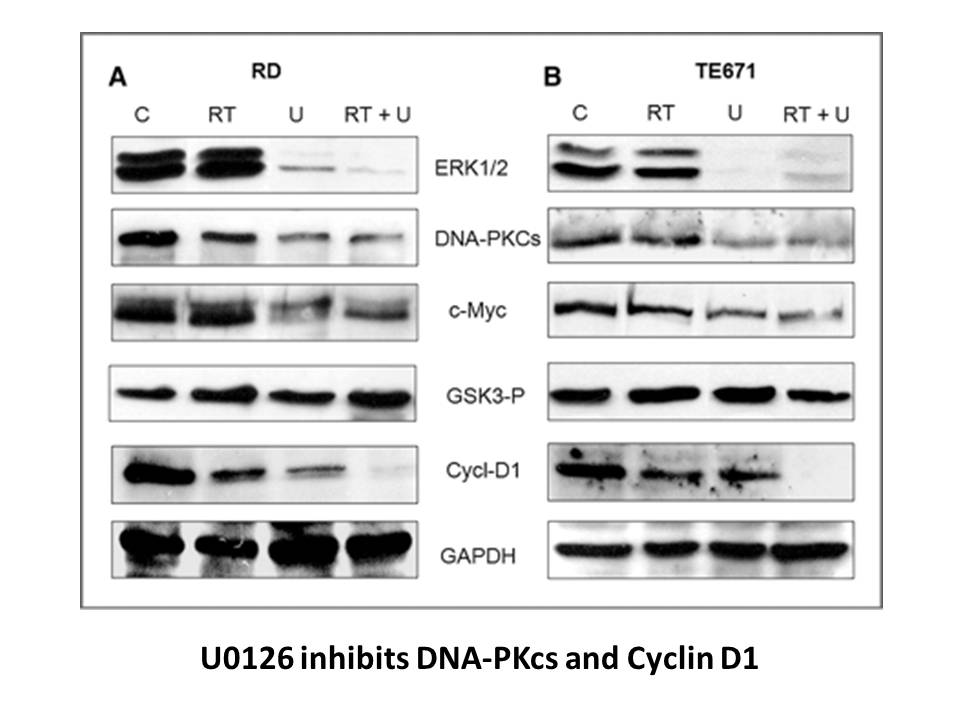
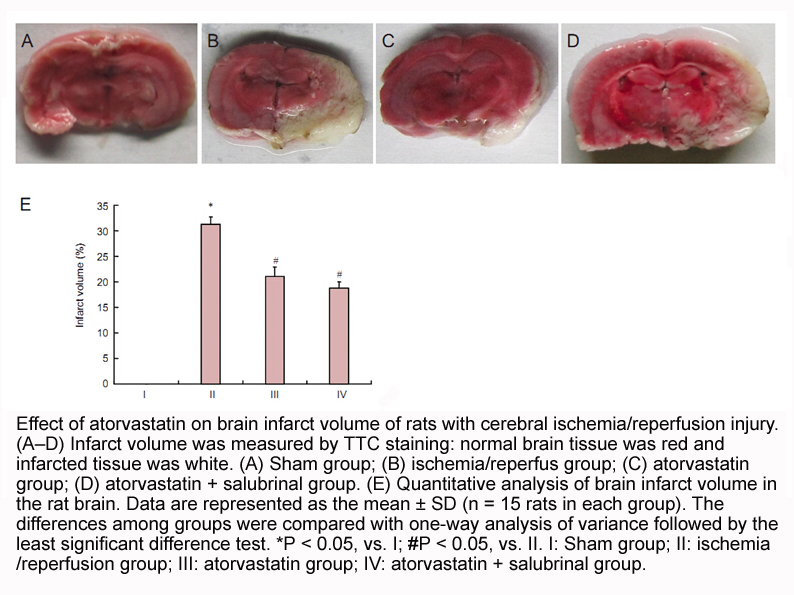
Introduction Stroke is a devastating condition that causes cognitive and motor dysfunction, neurodegenerative diseases and even acute death, and is a leading cause of mortality and morbidity worldwide (Chen et al., 2014a, Wang et al., 2016). Thus, exploration or identification of novel therapeuti
-
PF also a dual Aurora
2023-10-18
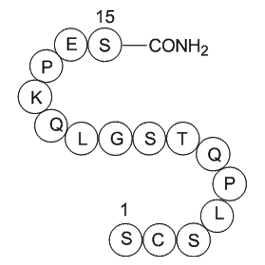
PF-03814735, also a dual Aurora-A and Aurora-B inhibitor, was administered in a phase I dose escalation study in a 3-weekly az628 for 5 or 10 consecutive days [69], [70]. To date 25 patients have been included in 7 dose levels (5–100mg/day for 5 days). Using the 5-day schedule the MTD was defined a
-
Recent studies showed that the increased expression of Auror
2023-10-18
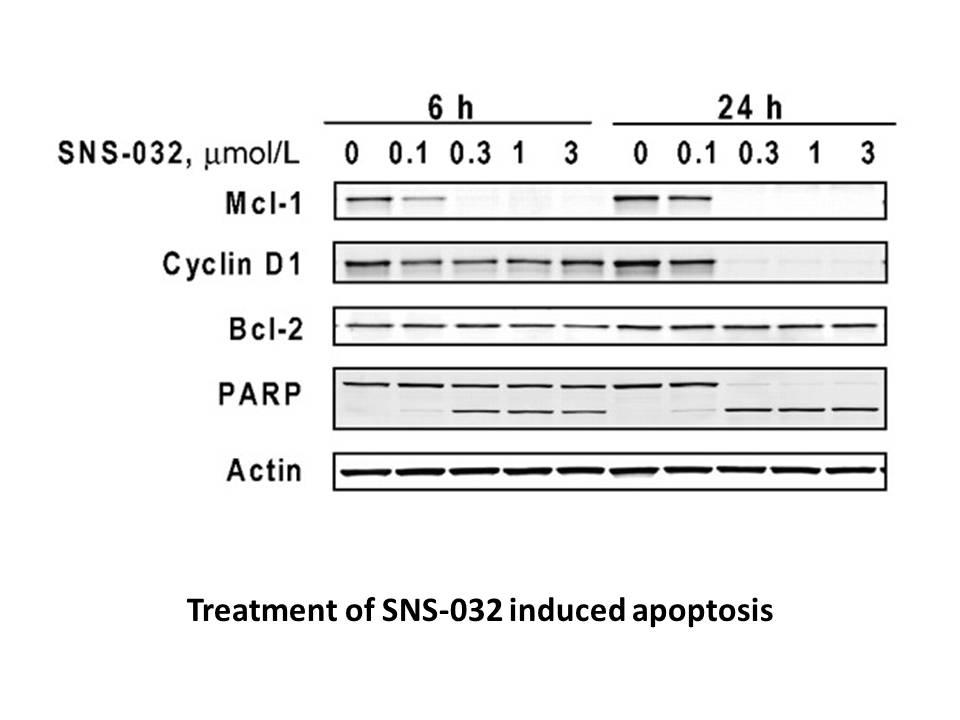
Recent studies showed that the increased expression of Aurora B kinase directly proportional to the tumor invasion and metastasis [61]. The Aurora B kinase regulates the PI2K/Akt signaling pathway has a significant role in tumor invasion and metastasis that leads to phosphorylation of GSK3β on ser 9
-
The overall mechanism of the
2023-10-18
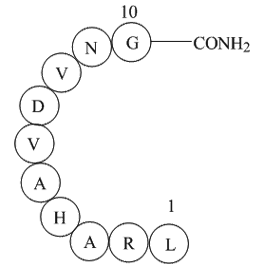
The overall mechanism of the Cdc48 complex resembles that of the 19S regulatory subunit of the proteasome, which also uses receptor proteins to bind polyubiquitin chains attached to a substrate and employs a translocation mechanism (for review, see Kish-Trier and Hill, 2013). As with Cdc48, full sub
-
Finally we argue that the
2023-10-17
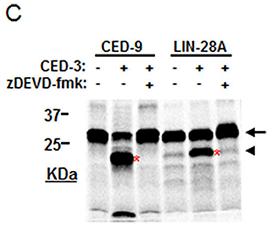
Finally, we argue that the estimated penetrance of 0.45% (95% CI 0.02%, 9.35%) calculated by leveraging the gnomAD (Lek et al., 2016) population data indicate that T201S is at most a low-risk gene variant for CJD. If we arbitrarily consider a central estimate of 10% or higher as the clinically signi
-
Despite the absence of disulfide
2023-10-17
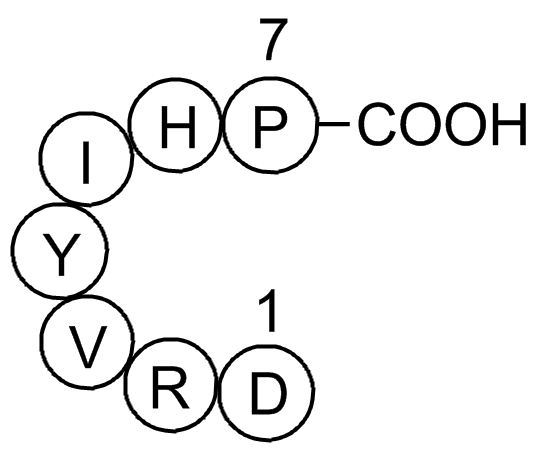
Despite the absence of disulfide bonds in its linear structure, KT43C displays antifungal and antibacterial activity. Disulfide bonds are determinants of defensins' integrity and have been reported to increase the antimicrobial activity (Jenssen et al., 2006). However, some linear derivatives of AMP
-
br Mechanism of action In general the
2023-10-17
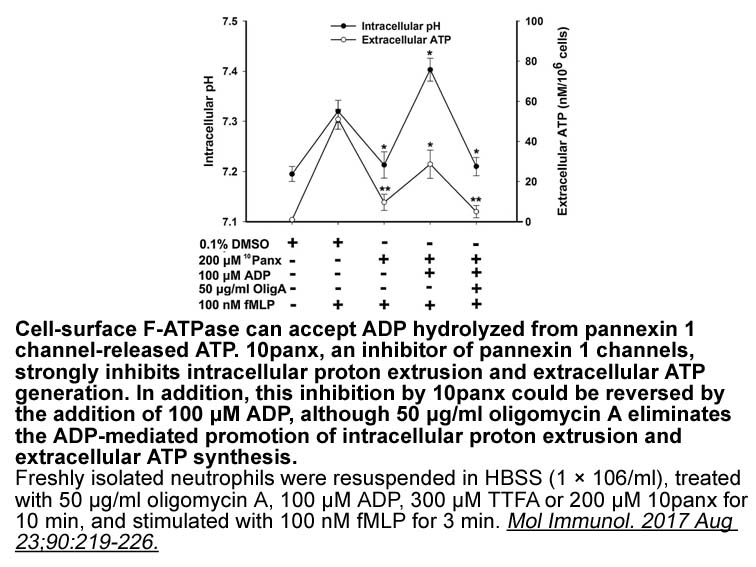
Mechanism of action In general, the main targets for antifungal drug development are cell wall polymer (glucans, chitin, mannoproteins), cell membrane (especially ergosterol) biosynthesis, DNA and protein synthesis (topoisomerases, nucleases, elongation factors and myristoylation), and signal tra
-
br Implementation of sacubitril valsartan into
2023-10-17
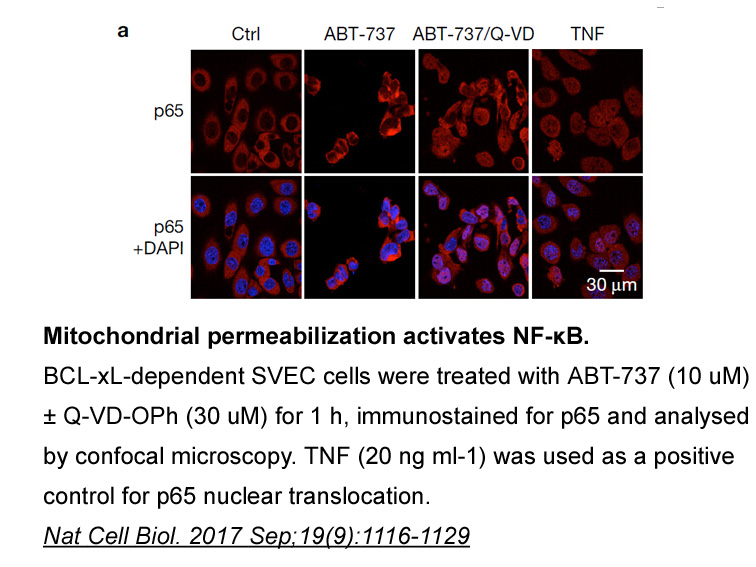
Implementation of sacubitril/valsartan into clinical practice Following on from the results of PARADIGM-HF, sacubitril/valsartan was given regulatory approval for use in patients who conform to the main inclusion criteria of the trial; NYHA functional class II–IV, reduced left ventricular ejectio
15598 records 290/1040 page Previous Next First page 上5页 286287288289290 下5页 Last page