Archives
- 2026-10
- 2026-09
- 2026-08
- 2026-07
- 2026-06
- 2026-05
- 2026-04
- 2026-03
- 2026-02
- 2026-01
- 2025-12
- 2025-11
- 2025-10
- 2025-09
- 2025-03
- 2025-02
- 2025-01
- 2024-12
- 2024-11
- 2024-10
- 2024-09
- 2024-08
- 2024-07
- 2024-06
- 2024-05
- 2024-04
- 2024-03
- 2024-02
- 2024-01
- 2023-12
- 2023-11
- 2023-10
- 2023-09
- 2023-08
- 2023-07
- 2023-06
- 2023-05
- 2023-04
- 2023-03
- 2023-02
- 2023-01
- 2022-12
- 2022-11
- 2022-10
- 2022-09
- 2022-08
- 2022-07
- 2022-06
- 2022-05
- 2022-04
- 2022-03
- 2022-02
- 2022-01
Redefining Translational Oncology: Strategic Insights int...
2025-10-04
This thought-leadership article explores the mechanistic underpinnings and translational opportunities of FGFR inhibition, with a focus on BGJ398 (NVP-BGJ398). Bridging oncology and developmental biology, it provides actionable guidance for translational researchers aiming to unlock the full therapeutic and investigative potential of selective FGFR1/2/3 inhibitors, contextualized by recent comparative developmental studies and competitive intelligence.
From FGFR Signaling to Targeted Therapy: Strategic Insigh...
2025-10-03
This thought-leadership article offers translational researchers a mechanistic and strategic roadmap for exploiting selective FGFR inhibition in oncology and developmental biology. Blending evidence from recent comparative studies and advanced preclinical models, it contextualizes BGJ398 (NVP-BGJ398) as a precision tool for dissecting FGFR-driven malignancies while highlighting emerging applications and strategic considerations for next-generation research.
Translational Power Plays: Leveraging Selective FGFR Inhi...
2025-10-02
This thought-leadership article explores how BGJ398 (NVP-BGJ398), a potent and selective FGFR inhibitor, is redefining experimental paradigms in oncology and developmental biology. By dissecting mechanistic insights, validating translational research strategies, and contextualizing competitive advantages, the piece delivers a visionary outlook for researchers seeking to unravel FGFR-driven disease mechanisms and advance next-generation therapies.
BGJ398 (NVP-BGJ398): Advanced Insights into Selective FGF...
2025-10-01
Explore the multifaceted role of BGJ398, a selective FGFR inhibitor, in cancer research and developmental biology. Gain unique, in-depth perspectives on its mechanistic specificity, translational applications, and emerging insights from recent developmental studies.
Translating FGFR Science Into Impact: Mechanistic Insight...
2025-09-30
Discover how the selective FGFR inhibitor BGJ398 (NVP-BGJ398) empowers translational researchers to dissect receptor tyrosine kinase signaling in both oncology and developmental biology. This thought-leadership article uniquely bridges advanced mechanistic findings, comparative developmental genetics, and strategic experimental design—delivering actionable insights beyond standard product literature.
BGJ398 (NVP-BGJ398): Precision FGFR Inhibition in Cancer ...
2025-09-29
Explore the unique mechanisms and research applications of BGJ398 (NVP-BGJ398), a selective FGFR inhibitor, in cancer biology and developmental signaling. This article offers advanced scientific insights and comparative analysis, setting it apart from existing resources.
BGJ398 (NVP-BGJ398): Advanced Insights into Selective FGF...
2025-09-28
Explore BGJ398 (NVP-BGJ398), a potent FGFR inhibitor, through a unique lens connecting oncology research with developmental biology. This in-depth article examines the latest scientific findings and offers a novel perspective on FGFR signaling in cancer and embryogenesis.
BGJ398 (NVP-BGJ398): Advanced Insights into Selective FGF...
2025-09-27
Explore the unique molecular selectivity and translational potential of BGJ398, a leading FGFR inhibitor, in oncology and developmental biology research. This article reveals advanced applications and mechanistic nuances distinguishing BGJ398 from other small molecule FGFR inhibitors.
BGJ398 (NVP-BGJ398): Precision FGFR Inhibition in Oncolog...
2025-09-26
Explore the scientific depth of BGJ398 (NVP-BGJ398), a selective FGFR1/2/3 inhibitor, as an advanced tool for cancer research and targeted apoptosis induction. This article uniquely bridges receptor tyrosine kinase inhibition with emerging developmental biology insights and clinical oncology applications.
Cy5-UTP: Next-Gen Fluorescent RNA Labeling for Intracellu...
2025-09-25
Discover how Cy5-UTP (Cyanine 5-uridine triphosphate) advances fluorescent RNA probe synthesis and unlocks new insights into intracellular trafficking and delivery efficiency. This article uniquely connects molecular labeling with delivery system optimization for superior molecular biology research.
ARCA Cy5 EGFP mRNA (5-moUTP): Next-Gen Reporter for Preci...
2025-09-24
Explore how ARCA Cy5 EGFP mRNA (5-moUTP), a 5-methoxyuridine modified and fluorescently labeled mRNA, sets a new benchmark for mRNA localization and translation efficiency assays. This article uniquely examines its role in dissecting delivery barriers and immune modulation in mammalian cell studies.
Advancing mRNA Research: EZ Cap Cy5 Firefly Luciferase mR...
2025-09-23
Explore how EZ Cap Cy5 Firefly Luciferase mRNA (5-moUTP) leverages 5-moUTP modification and Cap1 capping to improve mRNA stability, translation efficiency, and innate immune suppression in mammalian systems. This article provides new technical insights and practical strategies for optimizing mRNA delivery and reporter assays in advanced research applications.
Flow cytometry antibody The PAS domains of AHR consist of tw
2025-03-03
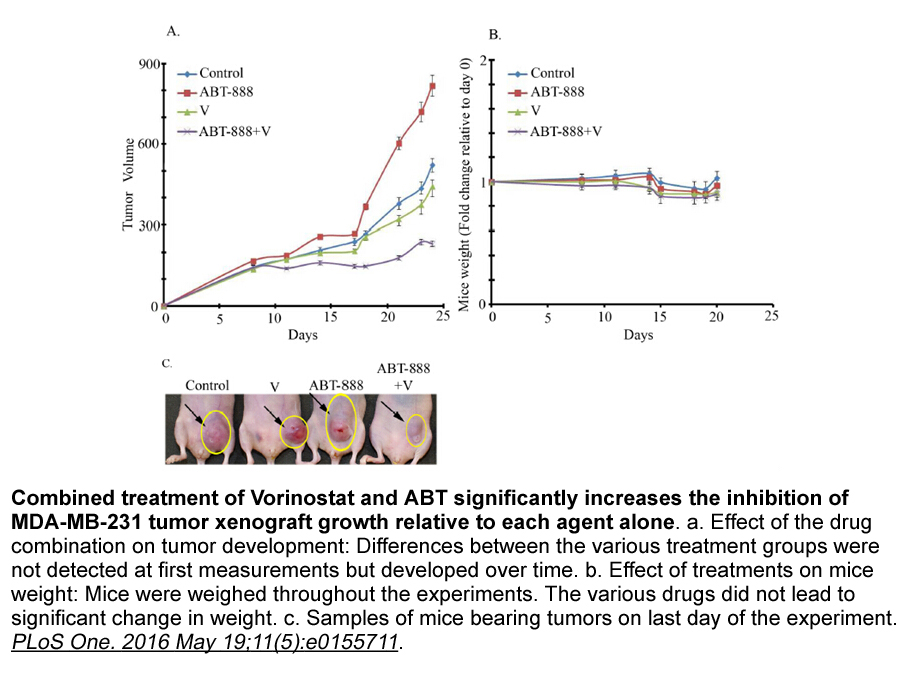
The PAS domains of AHR consist of two regions, PAS-A and PAS-B, which function as interfaces for dimerization with ARNT and for ligand binding, respectively [14]. Although both the bHLH and the PAS-A domains have been shown to be involved in dimerization with ARNT, a recent report suggests that only
In the search for more specific inhibitors of uptake Iversen
2025-03-03
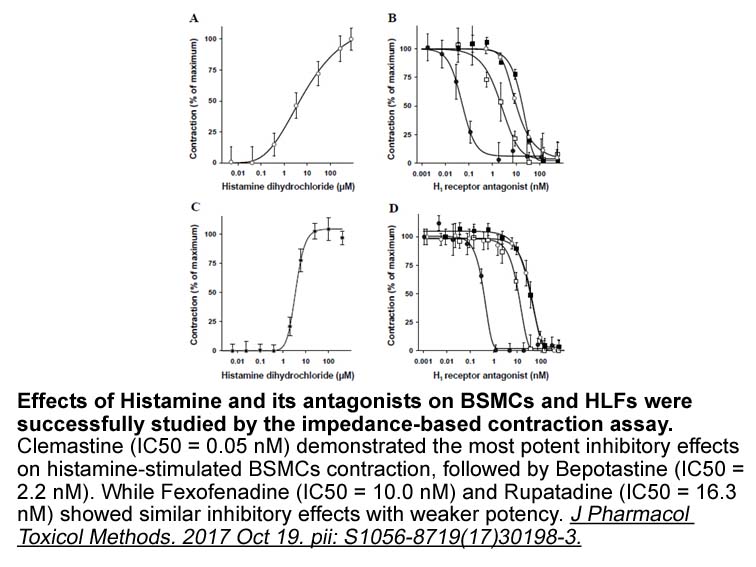
In the search for more specific inhibitors of uptake2, Iversen and Salt (1970) speculated that steroids may potentiate the actions of catecholamines on vascular smooth muscle by inhibiting uptake2-mediated catecholamine clearance of the transmitters. They went on to demonstrate that a variety of ste
br Introduction Myasthenia gravis MG is an autoimmune diseas
2025-03-03
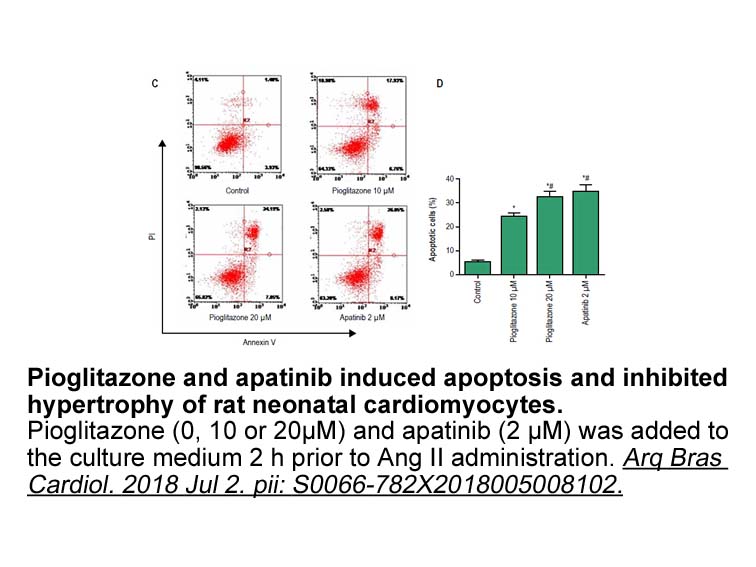
Introduction Myasthenia gravis (MG) is an autoimmune disease characterised by failure of transmission at the neuromuscular junction (NMJ). In 80–85% of myasthenia gravis patients, the disease is mediated by antibodies to the nicotinic EZ Cap p53 receptor (AChR; (Lindstrom et al., 1976). Many inv
8661 records 40/578 page Previous Next First page 上5页 3637383940 下5页 Last page